Superfoods That Helped Families Survive When Food Was Scarce
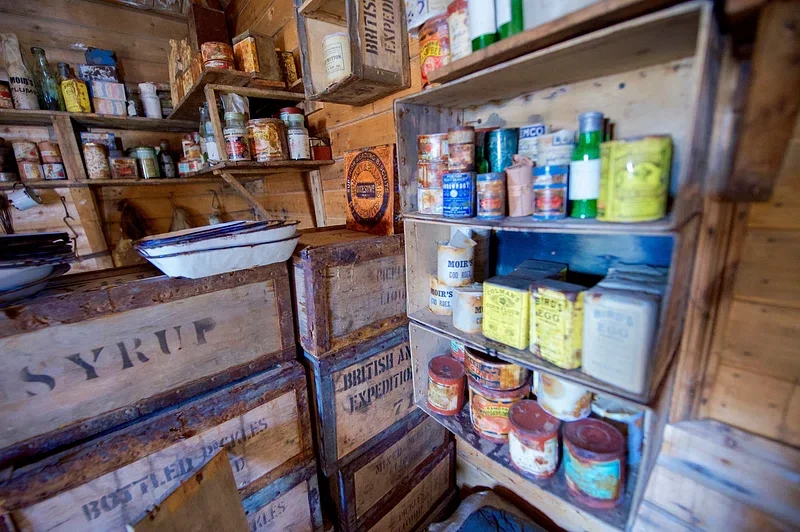
These foods were used during wars, depressions, and supply shortages — yet most people today have never heard of them.
At VitalSlim Health, we study traditional nutrition and forgotten food knowledge that helped people stay nourished long before modern grocery stores, global supply chains, and refrigeration existed.
And lately, that kind of knowledge is becoming important again.
Food prices are rising. Shelves empty faster than expected. Power outages, supply chain disruptions, and inflation have exposed a simple truth:
Modern food systems are fragile.
If grocery stores stopped restocking for even a few weeks, most households would struggle.
But this isn’t the first time humans faced food scarcity.
For centuries — through wars, economic collapses, and long winters — families survived using forgotten superfoods specifically chosen for shelf life, calorie density, and resilience.
And many of those foods still exist today.
Why Modern Diets Failed Us in a Crisis
Today’s food culture prioritizes:
Convenience
Short shelf life
Processed ingredients
Refrigeration dependence
Most people rely on food that:
Spoils within days
Requires electricity
Provides low nutrition per calorie
That’s a dangerous combination during emergencies.
In contrast, traditional cultures selected foods that:
Lasted months or years
Could be grown or stored cheaply
Delivered maximum calories and nutrients
Didn’t rely on refrigeration
These foods weren’t trendy — they were essential for survival.
Instant digital access.
Forgotten Foods That Sustained Generations
During events like:
The Great Depression
World War food rationing
Long winters and droughts
Isolated rural living
Families depended on foods that modern society has largely abandoned.
Some were:
Dried
Fermented
Root-based
Naturally preserved
Others were plants that grew almost anywhere and returned year after year.
Most grocery stores don’t carry them anymore — not because they don’t work, but because they don’t fit modern supply chains.

The Problem: This Knowledge Is Disappearing
Very few people today know:
Which foods last years without refrigeration
Which plants can grow in poor soil
Which foods provide high calories during shortages
How to store food without modern technology
That knowledge used to be passed down through generations.
Now, it’s nearly gone.
The Discovery That Changed Everything
While researching historical survival diets, I came across a guide called The Lost SuperFoods.
It documents forgotten foods that:
Sustained families during food shortages
Were chosen specifically for survival
Provided nutrition when nothing else was available
This isn’t a modern “diet” or fad.
It’s a historical survival food guide, compiled from:
Old records
Indigenous knowledge
Survival experts
Traditional food practices
What Makes These SuperFoods Different?
Unlike modern emergency food kits, these foods:
Can last 5–10+ years when stored properly
Don’t rely on refrigeration
Are high in calories and nutrients
Can often be grown or sourced cheaply
Were used long before grocery stores existed
Don’t depend on fragile supply chains
These foods were chosen because people’s lives depended on them.
No subscription. One-time access.
What You’ll Discover Inside The Lost SuperFoods
The guide reveals:
Forgotten foods that kept families alive during depressions
Survival plants that grow in almost any environment
High-calorie foods used when meat was scarce
Why modern diets abandoned these foods
How to store food cheaply for long periods
Emergency nutrition strategies that still work today
It’s practical, educational, and surprisingly relevant to the world we live in now.
Why This Matters More Than Ever
Most people assume:
“The stores will always restock.”
History shows otherwise.
Every major crisis — economic, natural, or political — has disrupted food access.
Those who understood food resilience survived far better than those who didn’t.
Learning about these forgotten superfoods isn’t about fear.
It’s about preparedness, self-reliance, and peace of mind.
See the Forgotten SuperFoods for Yourself
If you want to explore the foods that sustained generations before modern systems existed, you can learn more here.
A Simple Step Toward Food Security
You don’t need a bunker or years of supplies.
Understanding which foods last, nourish, and sustain is one of the simplest and smartest forms of preparation.
The Lost SuperFoods doesn’t tell you to panic.
It teaches you what humanity already knew — and somehow forgot.
Final Thoughts
Food shortages aren’t new.
What’s new is how unprepared most people are.
The knowledge inside The Lost SuperFoods existed long before supermarkets — and it still applies today.
If you value:
Food independence
Long-lasting nutrition
Practical survival knowledge
Then this guide is worth exploring.
Learn more before deciding.
This content is for educational and historical purposes only and is not intended as medical advice.
