How to Increase Nitric Oxide Naturally After 40
As we age, many men and women notice subtle but frustrating changes: lower energy, reduced endurance, slower recovery, and a general feeling that their body doesn’t perform the way it used to. One overlooked factor behind these changes is a natural decline in nitric oxide production.
Nitric oxide plays a crucial role in supporting healthy blood flow, circulation, and cardiovascular efficiency. After age 40, the body’s ability to produce and maintain optimal nitric oxide levels begins to decrease — but the good news is that there are natural, science-backed ways to support nitric oxide levels, even later in life.
In this guide, you’ll learn what nitric oxide is, why it matters after 40, and practical strategies to help your body produce more of it naturally.

What Is Nitric Oxide and Why Does It Matter?
Nitric oxide (NO) is a molecule produced naturally by the body. Its primary role is to help relax and widen blood vessels, allowing blood to flow more efficiently throughout the body.
Healthy nitric oxide levels support:
Proper circulation
Oxygen and nutrient delivery
Physical energy and endurance
Cardiovascular efficiency
Exercise performance and recovery
Nitric oxide is not a supplement itself — it’s something your body creates using specific nutrients and enzymes. This means lifestyle, diet, and age all influence how much nitric oxide your body can produce.
Why Nitric Oxide Levels Decline After 40
After age 40, several factors contribute to lower nitric oxide production:
1. Reduced Enzyme Activity
The enzymes responsible for producing nitric oxide (such as nitric oxide synthase) become less efficient with age.
2. Increased Oxidative Stress
Aging increases oxidative stress, which can neutralize nitric oxide before the body can fully use it.
3. Poor Circulation Habits
Sedentary lifestyles, stress, and poor dietary patterns reduce blood vessel responsiveness over time.
4. Nutrient Absorption Changes
As digestion and absorption decline slightly with age, the body may not efficiently utilize nitric oxide–supporting nutrients.
These changes don’t happen overnight, but over time they can impact circulation, energy levels, and physical performance.
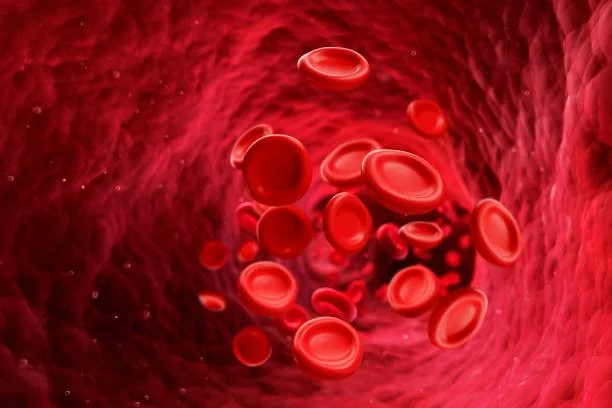
Signs You May Have Low Nitric Oxide Levels
While only medical testing can confirm nitric oxide levels, common signs associated with reduced nitric oxide activity include:
Cold hands or feet
Low exercise stamina
Reduced endurance
Slower workout recovery
Fatigue despite adequate rest
Reduced circulation efficiency
If these sound familiar, supporting nitric oxide production naturally may help.
Science-Backed Ways to Increase Nitric Oxide Naturally After 40
1. Eat Nitrate-Rich Vegetables
Certain vegetables naturally contain nitrates, which the body converts into nitric oxide.
Top nitrate-rich foods include:
Beets and beetroot juice
Arugula
Spinach
Lettuce
Celery
Science insight: Studies show that dietary nitrates can significantly increase nitric oxide availability and improve blood flow efficiency.
Simple tip: Add leafy greens to daily meals or smoothies for consistent intake.
2. Consume Nitric Oxide–Supporting Amino Acids

Two amino acids play a major role in nitric oxide production:
L-arginine
L-citrulline
L-citrulline is particularly effective because it converts into L-arginine in the body and remains available longer.
Foods containing these amino acids include:
Watermelon
Pumpkin seeds
Nuts and legumes
Fish and poultry
After 40, food alone may not provide optimal levels — consistency matters.
3. Exercise Regularly (Even Light Movement Helps)
Physical activity naturally stimulates nitric oxide production by increasing blood flow and vessel elasticity.
Best activities include:
Brisk walking
Resistance training
Cycling
Light interval training
You don’t need extreme workouts. Even 20–30 minutes of consistent movement can positively influence nitric oxide levels.
4. Support Oral Health (Often Overlooked)
Beneficial oral bacteria help convert dietary nitrates into nitric oxide. Excessive use of antibacterial mouthwash can disrupt this process.
Tip: Maintain good oral hygiene without overusing antibacterial products.
5. Reduce Nitric Oxide “Killers”

Certain habits reduce nitric oxide availability:
Smoking
Excessive alcohol
Chronic stress
Diets high in processed foods
Reducing these factors allows the body to preserve the nitric oxide it produces.
6. Optimize Antioxidant Intake
Antioxidants help protect nitric oxide from oxidative damage.
Helpful sources include:
Vitamin C–rich foods
Polyphenols (berries, dark chocolate, green tea)
Plant-based extracts
This is one reason many nitric oxide support formulas combine amino acids with antioxidants.
Can Supplements Help Increase Nitric Oxide After 40?
While lifestyle and diet form the foundation, many people over 40 turn to nitric oxide support supplements to bridge the gap created by aging and absorption changes.
A quality nitric oxide supplement may help by:
Providing bioavailable precursors
Supporting absorption
Offering antioxidant protection
Supporting circulation consistency
However, not all nitric oxide supplements are created equal.
What to Look for in a Nitric Oxide Support Supplement
If you explore supplements, look for formulas that:
Contain clinically studied ingredients
Focus on circulation support, not stimulants
Avoid excessive fillers
Are designed for daily consistency
This is where some people find nitric oxide boosters like CircO2 useful as part of a broader lifestyle strategy.
If you want to explore how a nitric oxide support formula works in detail, you can review the ingredients and approach behind CircO2 here.
Explore how CircO2 supports nitric oxide naturally
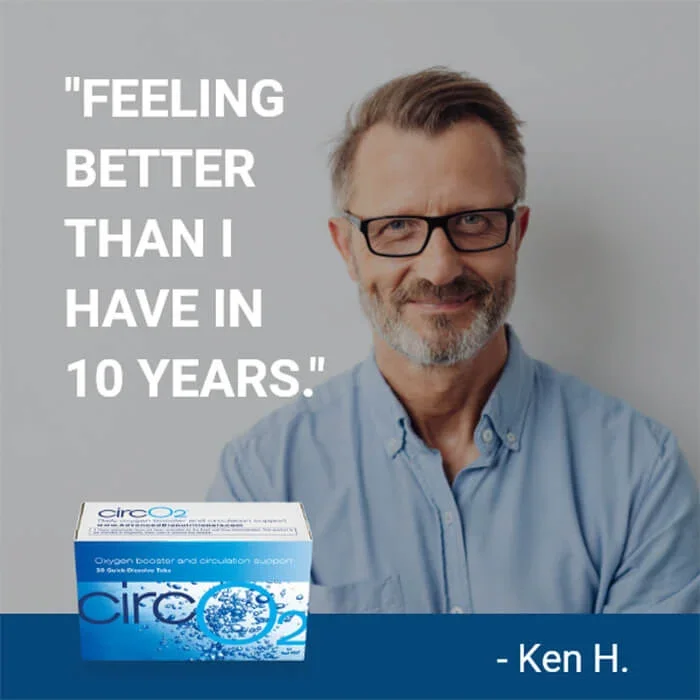
CircO2 and Nitric Oxide Support (Quick Overview)
CircO2 is designed to support nitric oxide production by combining key nitric oxide precursors with circulation-supporting ingredients.
It’s commonly explored by:
Men over 40
Individuals focused on circulation support
Those looking to support energy and endurance naturally
You can learn how CircO2 compares to diet-only approaches here.
See the ingredient breakdown
How Long Does It Take to Support Nitric Oxide Levels?
Nitric oxide production responds differently depending on the approach:
Dietary changes: days to weeks
Exercise routines: weeks of consistency
Supplement support: often noticeable within a few weeks when combined with lifestyle changes
Consistency matters more than intensity.
Common Myths About Nitric Oxide After 40
Myth 1: Nitric oxide only matters for athletes
Reality: It plays a role in everyday circulation and energy.
Myth 2: Supplements replace lifestyle changes
Reality: Supplements support — they don’t replace healthy habits.
Myth 3: More is always better
Reality: Balance and bioavailability matter more than megadoses.
Simple Daily Routine to Support Nitric Oxide Naturally
Here’s a practical example:
Morning: leafy greens or smoothie
Midday: light activity or walking
Evening: nitrate-rich vegetables
Daily: consistent hydration
Optional: nitric oxide support supplement
This balanced approach supports nitric oxide without extremes.
Final Thoughts: Supporting Nitric Oxide After 40
Nitric oxide plays a critical role in circulation, energy, and overall physical performance — especially after age 40, when natural production declines.
The most effective approach is not a single fix, but a combination of diet, movement, and targeted support.
If you’re exploring options beyond food alone, learning more about nitric oxide support formulas like CircO2 may be a helpful next step.

Disclaimer
This content is for informational purposes only and does not constitute medical advice. Always consult a healthcare professional before making changes to your diet or supplement routine.
